Private Market Funds: Why integrated fund services matter
Private markets generally encompass private equity, private debt, real estate and infrastructure. Investors are drawn to these asset classes for various reasons, including the potential for enhanced returns, portfolio diversification and exposure to long-term growth trends. Private equity supports companies through different stages of their development, often over several years, while private debt provides financing outside the traditional banking system. Real estate and infrastructure investments, depending on their structure, may offer long-term income opportunities.
What these asset classes have in common is a typically longer investment horizon. Unlike publicly traded investments, they are generally valued less frequently, although they remain exposed to economic developments and capital market conditions.
The right structure as a foundation
Investing in private markets involves more than selecting the right assets. The way investments are structured and managed presents its own challenges. Capital calls must be coordinated, distributions processed, assets valued and reports prepared. Regulatory requirements add another layer of complexity and can vary depending on the fund structure and jurisdiction.
This is where a well-designed fund structure can make a meaningful difference. By pooling capital from multiple investors, funds can facilitate diversification across companies, projects and investment vintages, depending on the investment strategy. They also provide an operational framework with clearly defined processes for capital calls, distributions, valuations and reporting.
Regulated fund structures are also subject to specific requirements relating to governance, oversight, transparency and investor protection. Management companies, depositaries and supervisory authorities each have distinct roles and responsibilities. Together, these regulatory safeguards help ensure appropriate control and oversight.
Access to private markets is also evolving. Regulatory frameworks such as the European Long-Term Investment Fund (ELTIF), along with certain fund structures offering redemption options, may open up opportunities for a broader range of investors. However, eligibility requirements, liquidity restrictions and investment-specific risks remain important considerations.
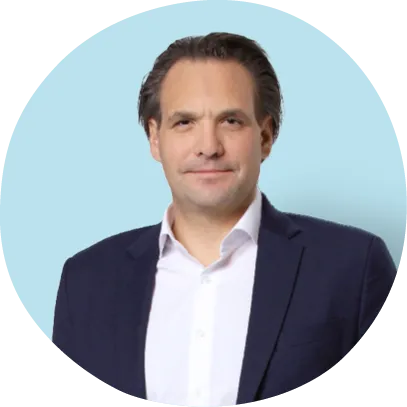
Investing in private markets involves more than selecting the right assets.
Marc Fischer Head Fund Client Solutions & Services
Complexity is inevitable – but it can be managed
With no readily available daily market prices for many private market assets, valuations require specialist expertise and experience. Limited liquidity and often lengthy capital commitments also call for careful, forward-looking planning.
The challenge, therefore, goes beyond establishing an appropriate fund structure. A fund is not a static vehicle. From launch and the investment phase through to its eventual liquidation, numerous processes must be coordinated throughout its lifecycle.
Making the different elements work together
A fund relies on a range of specialists, including the management company (ManCo/AIFM), fund administrator, depositary, portfolio manager and, where applicable, an investment adviser. Each has a distinct role and specific responsibilities.
For these services to work together efficiently, responsibilities must be clearly defined and interfaces carefully coordinated. At the same time, regulatory responsibilities and applicable independence requirements must be fully respected.
For fund initiators, effective collaboration between service providers can reduce the coordination burden and free up valuable time to focus on their core business: investments. Experienced partners who understand the entire fund lifecycle and align their services accordingly can play an important role in making this possible.

With no readily available daily market prices for many private market assets, valuations require specialist expertise and experience.
Torsten Ries CEO, VP Fund Solutions (Luxembourg) SA
Successful fund management is a team effort
A well-designed fund structure lays the groundwork, but successful implementation depends on how effectively the various parties work together. By establishing clear responsibilities, coordinated processes and relationships with experienced service providers offering integrated solutions from the outset, fund initiators can build a solid foundation for navigating the particular challenges of private market investments.
Legal Disclaimer: This article is provided for general information purposes only and does not constitute investment advice, a recommendation or an offer to buy or sell financial instruments. Private market investments involve risks, particularly limited liquidity and the potential loss of capital.